
Aman Kumar Ujjain
Software engineer and founder of Alignlie. Writes practical guides on resumes, job descriptions, and getting hired without chasing fake ATS scores.
Published by Aman Kumar Ujjain
How to Ask for More Time to Decide on a Job Offer
How to ask for more time to decide on a job offer: thank the employer, show interest and request a specific later date by email, well before the deadline.
What Do Employers Ask in a Reference Check?
What do employers ask in a reference check? Sample questions from the federal OPM guide, when references get called and how to brief yours before the call.
Recruiter Phone Screen Questions and How to Answer Them
Recruiter phone screen questions in the order one HR script asks them, how to answer each, how long the call lasts and how to prepare.
How to Answer 'Why Do You Want to Work Here?' in an Interview
How to answer ‘why do you want to work here’: research the role, name what draws you to it, connect it to your skills and avoid generic praise.
Unfinished Degree on Resume: How to List It Honestly
How to list an unfinished degree on resume: expected dates and credits completed for degrees in progress, and honest options if you left and aren't going back.
How to Look for a Job While Employed (Without Your Boss Finding Out)
How to look for a job while employed: keep the search off work time and devices, interview around your hours, ask for confidentiality, and keep performing.
Ghosted After Interview? What to Do and When to Move On
Ghosted after interview? Wait 5 business days past the date you were given, send one polite check-in, then one final note, and keep your search moving.
How to Answer 'What Are Your Salary Expectations?' in an Interview
What are your salary expectations? How to answer before an offer: do your research, use one of three scripts, and give a range only if pressed.
How to Get a Seasonal Job This Holiday Season (and Stay On)
How to get a seasonal job this holiday season: apply early with a short resume and clear availability, look beyond retail, and ask about staying on.
How to Use AI to Write a Resume Without Losing the Interview
How to use AI to write a resume the right way: start with your own facts, use AI for structure and wording, and keep only lines you can explain in an interview.
How to Ask for a Referral (Even From Someone You Barely Know)
How to ask for a referral for a specific opening, even from someone you barely know: what to prepare, an example message, and what to do after they answer.
Should I Stay at My Job or Leave? A Decision Checklist
Should I stay at my job or leave? Use a five-question checklist and the latest dated wage growth for job switchers vs stayers to decide on purpose.
How to Prepare for an AI Interview, Including One-Way Video
How to prepare for an AI interview, including one-way video: core story prep, how the recorded format works, setup tips, and what some US employers must disclose.
AI Fluency Job Description Requirements: What They Mean
What does an AI fluency line in a job description actually ask for? Three real postings decoded, how to show it on your resume, and how it gets tested.
How to Respond to a Job Rejection Email (With Examples)
How to respond to a job rejection email in three short parts, when to ask for feedback, what not to say, and an example reply you can adapt.
Thank You Email After Interview: When to Send It and What to Say
Send a thank you email after interview conversations within 24 hours. What to write in three short parts, how to thank a panel, and what to do if you're late.
Is It Hard to Find a Job as a New Grad Right Now?
Is it hard to find a job as a new grad? The latest NY Fed numbers, what one study says is behind them, where AI fits, and what you can control.
How Long Does It Take to Find a Job Right Now?
How long does it take to find a job? See the latest BLS median, why the average misleads, and how to fix the stage of your search that stalls.
How to Tell If a Job Posting Is Real Before You Apply
How to tell if a job posting is real: confirm it on the employer's careers page, stop at FTC scam red flags, and understand what a LinkedIn repost means.
Is AI Causing Layoffs? What the Data Shows and What Job Seekers Can Do
Is AI causing layoffs? Companies name AI in announcements; researchers find little aggregate evidence. Dated figures, then what job seekers can do.
What Questions Should I Ask in an Interview? Questions for the Employer
What questions should I ask in an interview? Say yes, bring a few chosen for who is in the room, tailor one to the job, and hold pay for the offer.
What Size Font for Resume Text? Body, Name and Headings
What size font for resume text? Use 10 to 12 points for the body, make your name and headings larger, and cut content instead of shrinking type.
Should I Put My Address on My Resume? What to List for Location
Should I put my address on my resume? List city and state, skip the street, and use the right wording if you are local, remote, relocating or a student.
How Many Jobs Should You List on a Resume? Which Roles Make the Cut
How many jobs should you list on a resume? Keep recent, relevant roles, treat 10 to 15 years as a guide, and shrink older roles to one line.
References on Resume: Leave Them Off Until an Employer Asks
References on resume: leave them off by default, cut the 'upon request' line, and keep a separate list ready to send when an employer or form asks.
Volunteer Experience on Resume: Where to Put It When You Have Paid Work
Volunteer experience on resume: run a relevance test, then put it in Experience, a separate section, or leave it off. Format any entry you keep like a job.
Should I Put My High School on My Resume? When to Include or Drop It
Should I put my high school on my resume? Keep it while it is your highest education, drop it by about year two of college, and take it off after a degree.
How Many Pages Should a Resume Be? A Length Decision by Career Stage
How many pages should a resume be? One page for most students and early careers, two when relevant work fills both, and two max for federal USAJOBS applications.
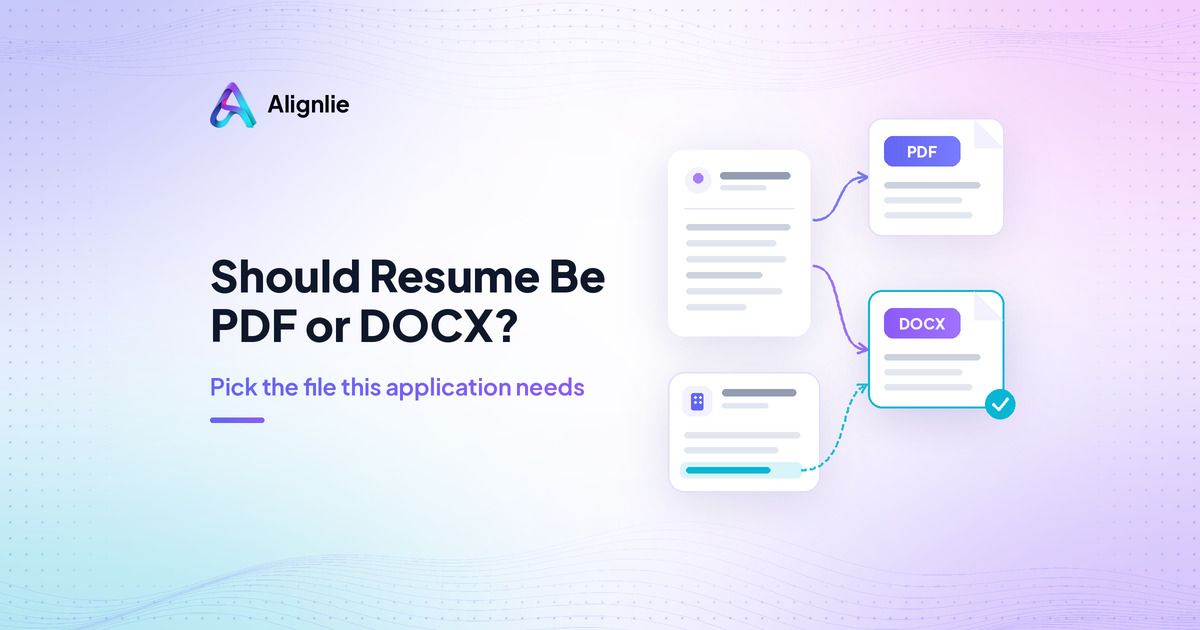
Should Resume Be PDF or DOCX? Pick the File This Application Needs
Should resume be PDF or DOCX? Follow the employer's instruction, choose by portal or human reader when it is silent, then confirm your file has selectable text.
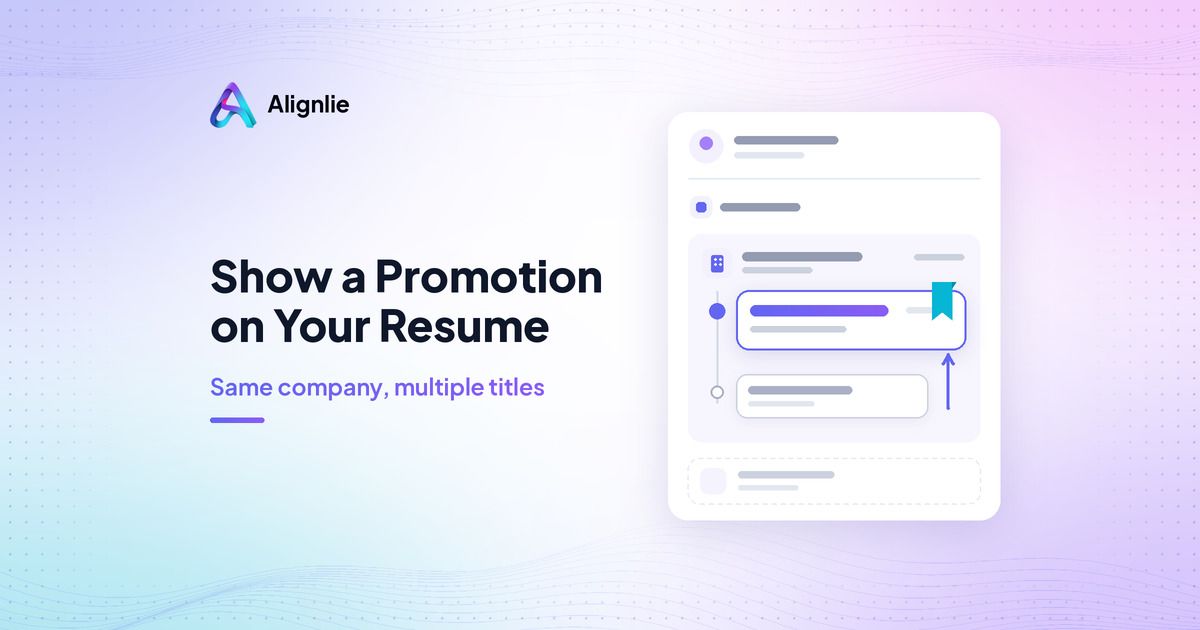
How to Show Promotion on Resume: Same Company, Multiple Titles
How to show promotion on resume entries: list the company once, stack or separate the titles, give each title its own dates, and add one honest promotion line.
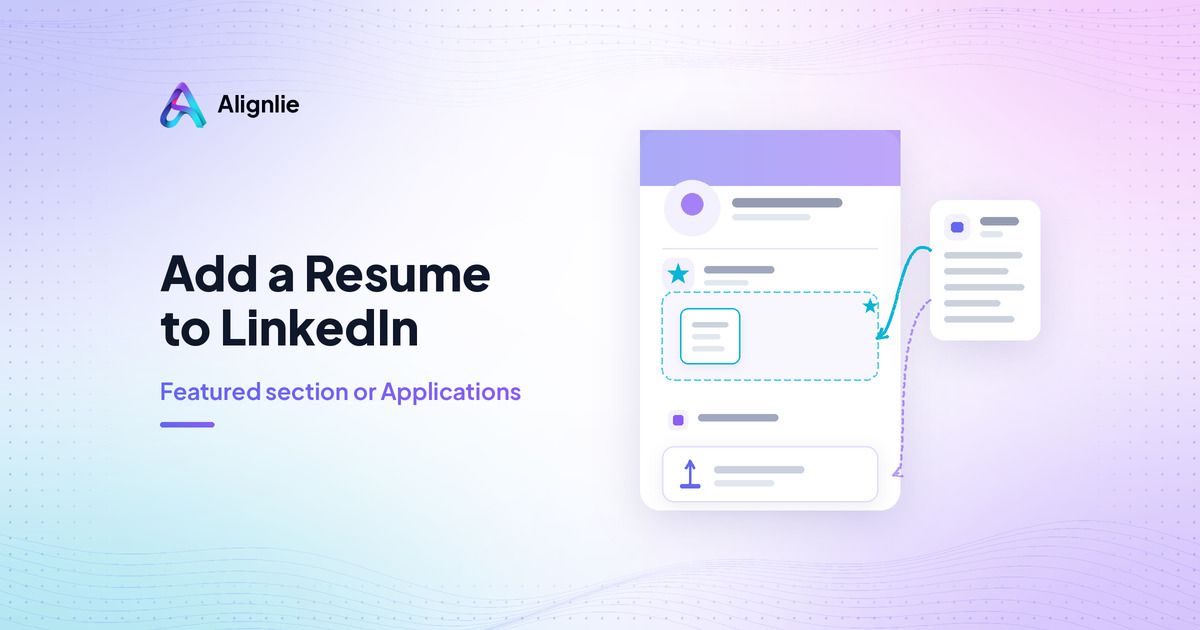
How to Add a Resume to LinkedIn (Featured vs Applications)
How to add a resume to LinkedIn: Featured on the profile versus a resume stored for applications, what each file does not do, and how to update or remove the one you mean.
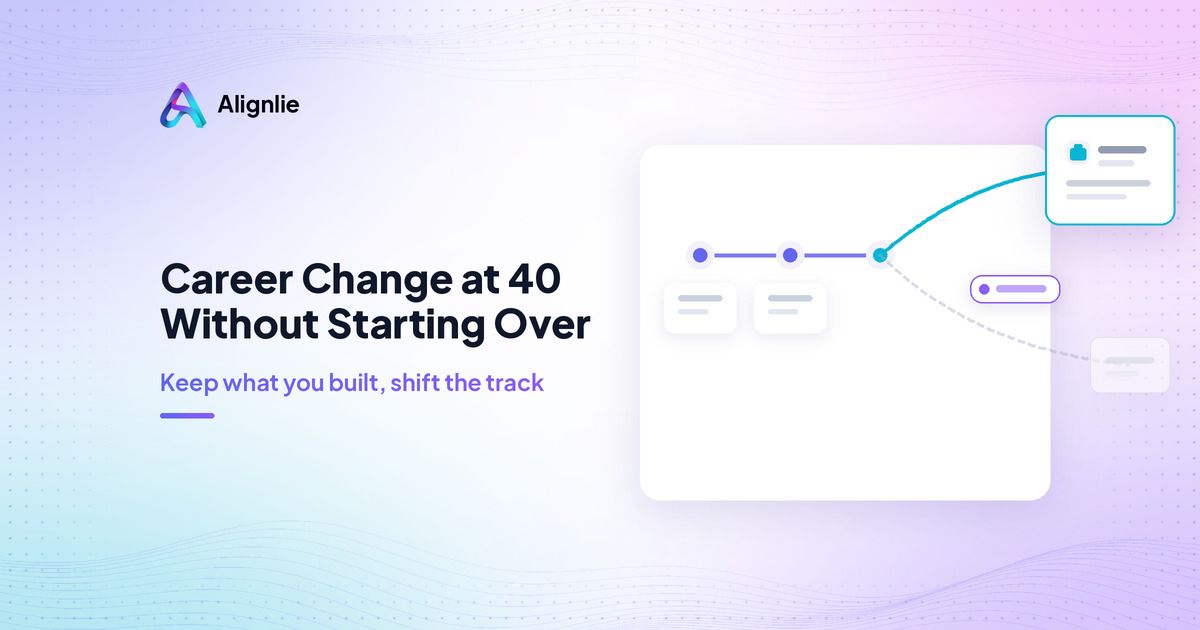
Career Change at 40 Without Starting Over: Adjacent Pivot Roadmap
Career change at 40 without starting over: pick adjacent targets, test while employed, and follow an illustrative 3–12 month staged pivot—close only critical gaps.
How to Turn Internship Into Full Time Job (Return Offer Playbook)
How to turn internship into full time job: ask the conversion rubric early, prioritize reliability, and recover with proof if there’s no return offer.
How to Ask for a Promotion (Evidence, Conversation, If-Not-Yet Plan)
How to ask for a promotion: build next-level scope evidence, run the career conversation, and if not yet—get criteria plus a dated revisit.
LinkedIn Open to Work Recruiters Only vs All Members: How to Choose
LinkedIn Open to Work recruiters only vs All members: use a risk decision matrix, LinkedIn privacy wording, and preference fields—not headline/About copy tips.
STAR Method Interview: Build a Story Bank for Behavioral Questions
STAR method interview prep: build a 5–8 story bank for leadership, conflict, failure, and pressure—rehearse without a tell-me-about-yourself script.
How to Ask for an Informational Interview (Outreach Templates + Questions)
How to ask for an informational interview: short advice-first outreach templates, what to ask, and how to request referrals—without pitching for a job first.
How to Explain Employment Gaps on Resume (and in Interviews)
How to explain employment gaps on resume: one honest line, years vs months, resume vs interview scripts by gap type—without date inflation.
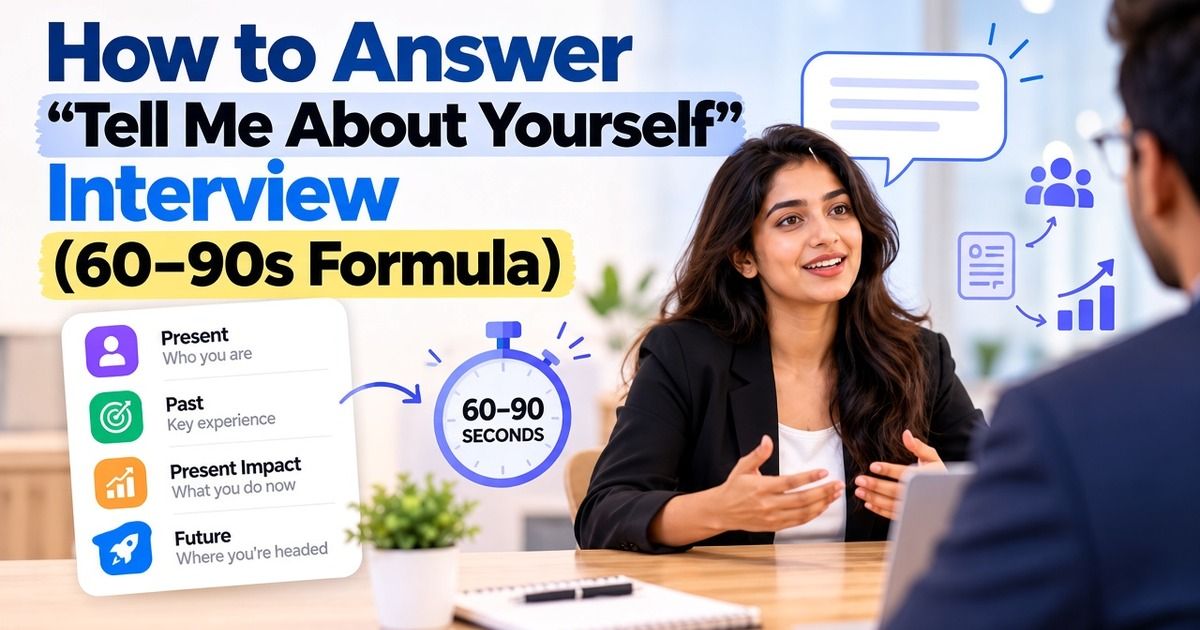
How to Answer Tell Me About Yourself Interview (60–90s Formula)
How to answer tell me about yourself interview with a 60–90s Present–Past–Future formula, stage scripts for fresher, experienced, and pivot, plus phone vs video tips and what not to say.
Resume Objective vs Summary: Choose From the Job Description
Resume objective vs summary: read the job description, check whether your history already shows the fit, then pick one. Paired examples.
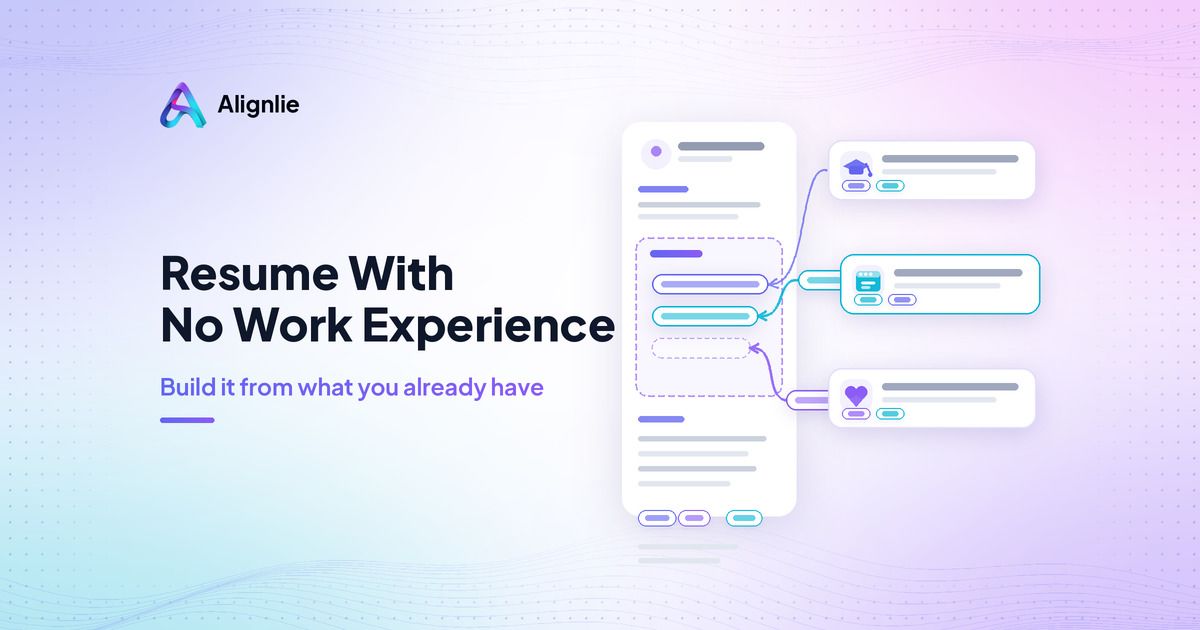
How to Write a Resume With No Work Experience
How to write a resume with no work experience: a one-page section order, education first, and real stand-ins for a job block. Where to apply is a different page.
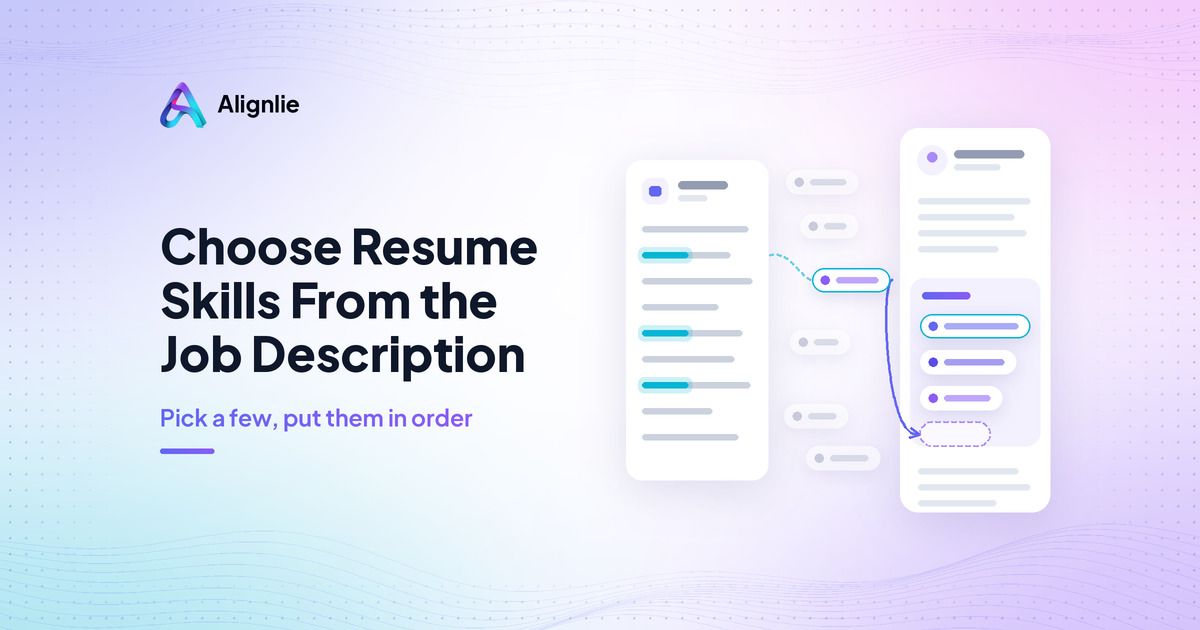
How to Choose Resume Skills From a Job Description
How to choose resume skills from a job description: keep skills the posting names and you can defend, order by priority, and skip stuffing.
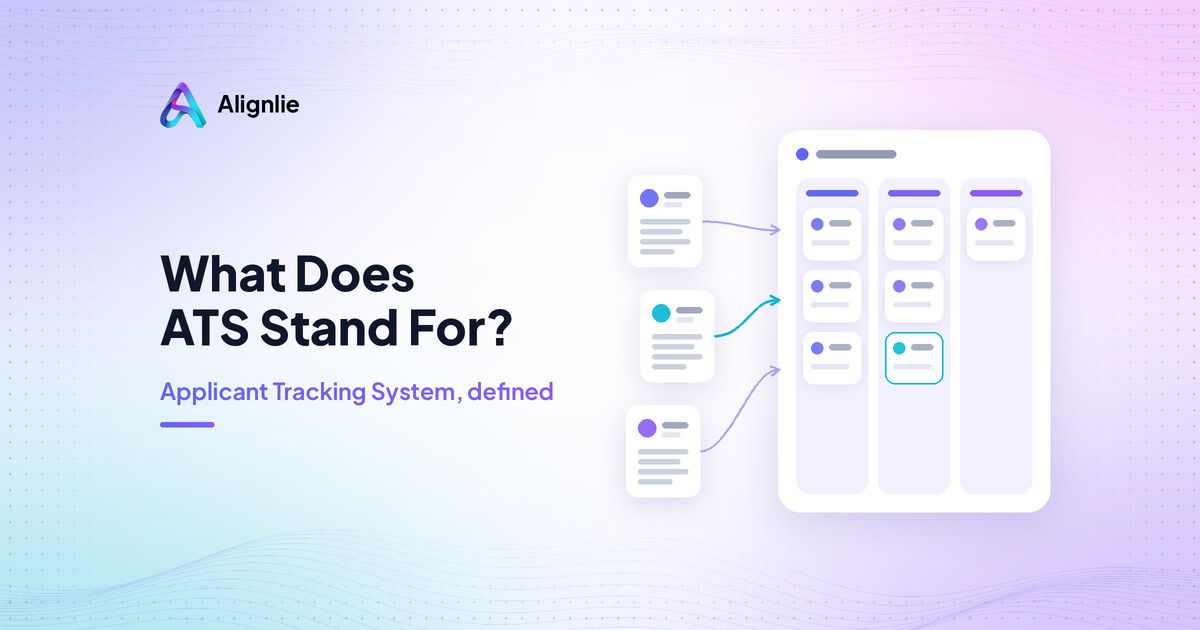
What Does ATS Stand For? Applicant Tracking System, Defined
What does ATS stand for? Applicant Tracking System: the software employers use to post jobs, collect applications, and track candidates.
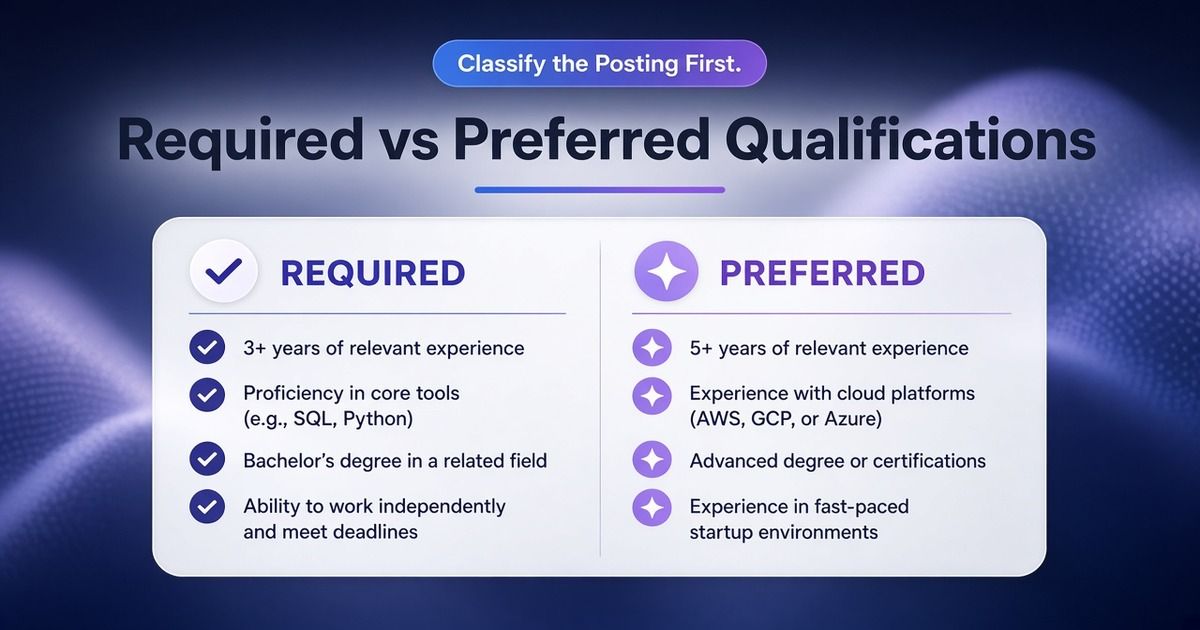
Required vs Preferred Qualifications: Classify the Posting First
Required vs preferred qualifications: sort one posting into knockout, optional, and boilerplate, then stop before any resume rewrite.
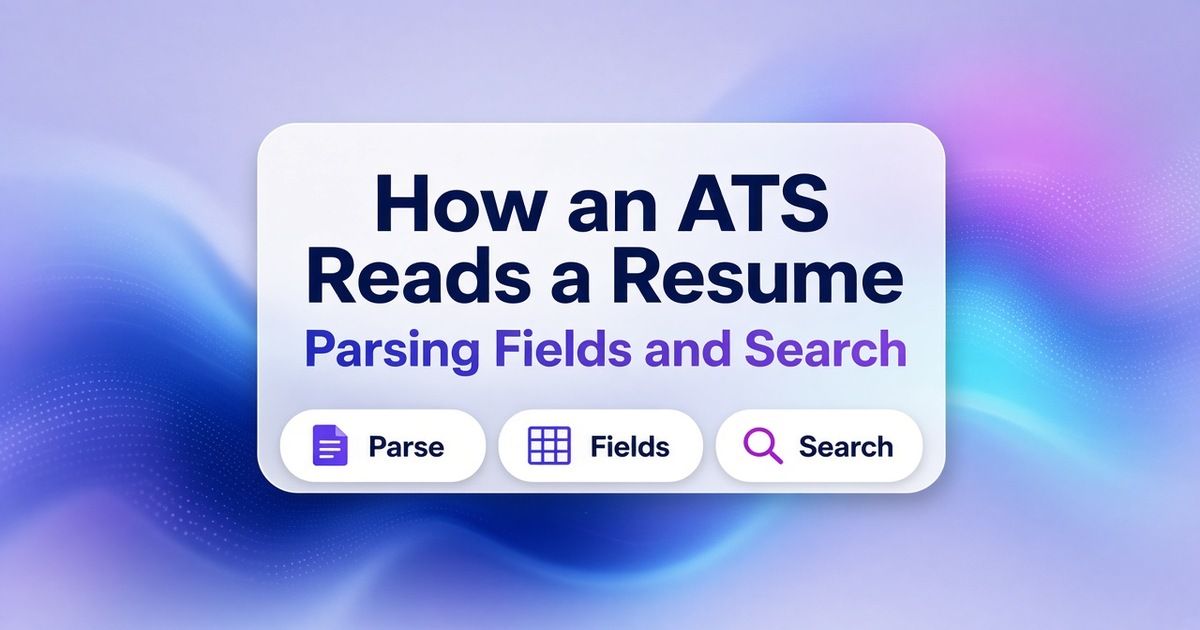
How an ATS Reads a Resume: Parsing, Fields, and Search
How an ATS reads a resume: text extraction, field mapping, then recruiter search, and what never becomes searchable.
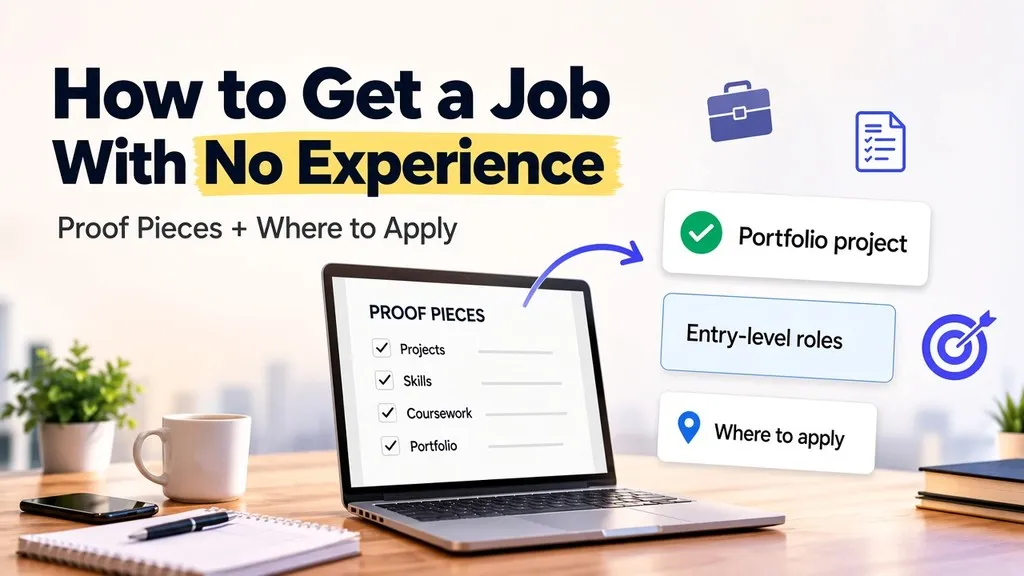
How to Get a Job With No Experience (Proof Pieces + Where to Apply)
How to get a job with no experience: build 2–3 proof pieces (projects, volunteer, part-time), use a multi-channel mix, and follow a weekly routine—without ATS % claims.